
Is luck really a factor in winning at casinos?
The Role of Luck in Gambling
Luck is often perceived as the cornerstone of gambling, particularly in casino settings where chance plays a fundamental role. Players typically embark on their gaming journeys with the hope that fortune will favor them, especially when they consider the appeal of sports betting sites canada in enhancing their experience. In games of chance, such as slots and roulette, the outcome relies entirely on random number generation or physical randomness, meaning that luck directly influences every player’s potential for winning. The unpredictable nature of luck can create thrilling highs and disheartening lows, making it a complicated aspect of casino gaming.
While luck undeniably plays a significant role, it’s essential to recognize that not all games hinge solely on chance. Table games like poker or blackjack involve strategies that players can employ to improve their odds. In these instances, skill, experience, and a comprehensive understanding of the game’s mechanics become crucial elements that shape the overall experience of a player in the casino. This interplay suggests that while luck provides the initial opportunities, it’s the skill that determines how those opportunities are navigated.
The impact of luck varies significantly from player to player. One individual may walk away victorious after a single bet, while another may face continuous losses despite a similar level of engagement. This unpredictability fosters a captivating atmosphere within casinos, where stories of ‘lucky streaks’ circulate among patrons, reinforcing the belief in luck as a fundamental aspect of winning. Ultimately, while luck is a vital factor in casino wins, it coexists with other elements that can influence the outcome of every game.
The Psychology Behind Winning and Losing
The psychology of gambling unveils how luck shapes emotional responses to winning and losing. When players experience a win, regardless of its size, they often feel an exhilarating rush of excitement and euphoria. This positive reinforcement can encourage further play, leading individuals to believe that luck is on their side. Conversely, a streak of losses can evoke feelings of frustration and disappointment. This emotional rollercoaster can prompt irrational betting behaviors as players chase their losses, convinced that luck will eventually turn in their favor.
Understanding cognitive biases is essential to grasp why players cling to the notion of luck. For example, confirmation bias leads individuals to remember wins more vividly than losses, fostering an illusion of control. Many players may recall a past instance where a lucky break rewarded them and thus hold onto the belief that they can replicate that success. This psychological phenomenon often fuels gamblers, compelling them to return even after facing significant losses.
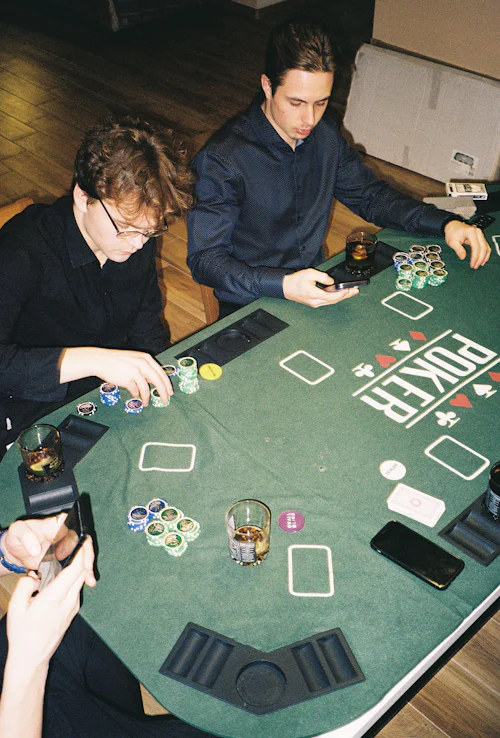
The casino environment enhances the allure of luck through various psychological tactics. The bright lights, the sounds of slot machines celebrating wins, and the celebratory atmosphere when someone hits a jackpot all contribute to the perception that luck is a tangible force. Casinos are designed to evoke this sense of fortune, creating an ambiance that is both exciting and enticing, further intertwining luck with the gambling experience.
Games of Skill vs. Games of Chance
Understanding the distinction between games of skill and games of chance is fundamental to grasping the role of luck in casinos. Games like slots, roulette, and craps are purely based on luck, as players have no influence over the outcomes. Winning at these games is solely dependent on chance, and while players can take steps to manage their bankroll or set limits, they ultimately play a waiting game for fortune to smile upon them.
In contrast, games such as poker and blackjack allow players to utilize their skills and strategies to sway the odds in their favor. Knowledge of probabilities, understanding opponents’ behaviors, and making calculated decisions can significantly impact the outcome. Here, luck might play a role in the cards dealt or the initial bets made, but skill can determine how effectively a player capitalizes on those moments, illustrating a more complex interplay between skill and luck.
The design of games incorporating a skill component encourages players to engage in strategy rather than relying solely on luck. For example, in poker, players continuously assess their situation, read their opponents, and adjust their tactics accordingly. This balancing act between luck and skill fosters a more nuanced gaming experience, suggesting that while luck is a factor, it is often the players’ skills that dictate long-term success in the casino environment.
The Impact of Casino Strategies on Luck
Casinos employ various strategies to capitalize on the inherent luck factor in gambling. This includes structuring odds to ensure that the house maintains a mathematical advantage over players. Every game is meticulously designed to ensure that, while players may experience wins, the casino ultimately profits in the long run. The built-in house edge means that while luck may lead to short-term wins for players, statistically, it is the casino that wins out in the end.
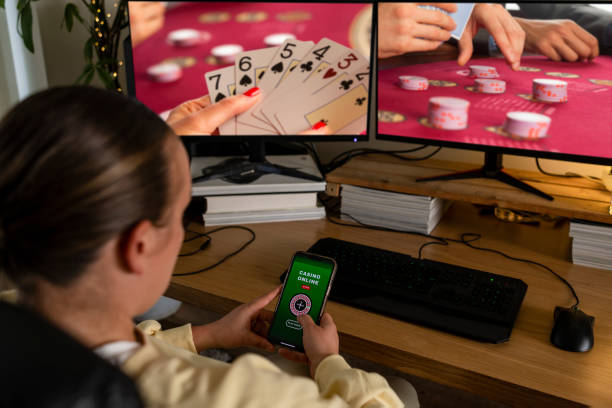
Moreover, casinos often offer promotions and bonuses that tap into players’ beliefs about luck. By presenting opportunities to win massive jackpots or receive free spins, they create an environment where chance appears abundant. However, these promotions are typically structured to benefit the casino, further emphasizing the role of luck as a marketing tool rather than a genuine advantage for players. The allure of potential luck draws in crowds, yet many players may not recognize the true odds they face.
As players interact with machines and tables, the dynamics of luck evolve. The more players engage with a game, the more they may feel as though they are in control of their fortunes. This false sense of control can lead to prolonged play and increased wagering, causing a paradox where the pursuit of luck may ultimately diminish a player’s bankroll faster. Understanding the casino’s strategies can empower players to navigate their experiences more wisely, balancing the thrill of luck with a mindful approach to gambling.
Conclusion: Understanding Luck in Casinos
In summary, luck is undeniably a factor in winning at casinos, significantly influencing the outcome of many games. However, it is essential to recognize that luck does not operate in isolation. Factors such as skill, psychological influences, and the strategic design of casinos all play pivotal roles in shaping the overall gaming experience. As players engage in their favorite games, the interplay between luck and strategy becomes apparent, highlighting the complexity of gambling.
Ultimately, while luck can lead to exciting wins, it is the understanding of games, mindful betting practices, and emotional management that can enhance one’s overall experience in the casino. Players should approach gambling with an awareness that luck is part of the game, yet not the sole determinant of their success. By balancing their gameplay with knowledge and strategy, they can enjoy the thrill of the casino while minimizing potential pitfalls.
As you navigate the world of gaming, remember that while luck can occasionally be a generous ally, responsible gaming practices are essential. Embrace the excitement that comes with chance, but also equip yourself with the necessary skills and knowledge to ensure a rewarding experience in the vibrant realm of casinos.